
 en
en
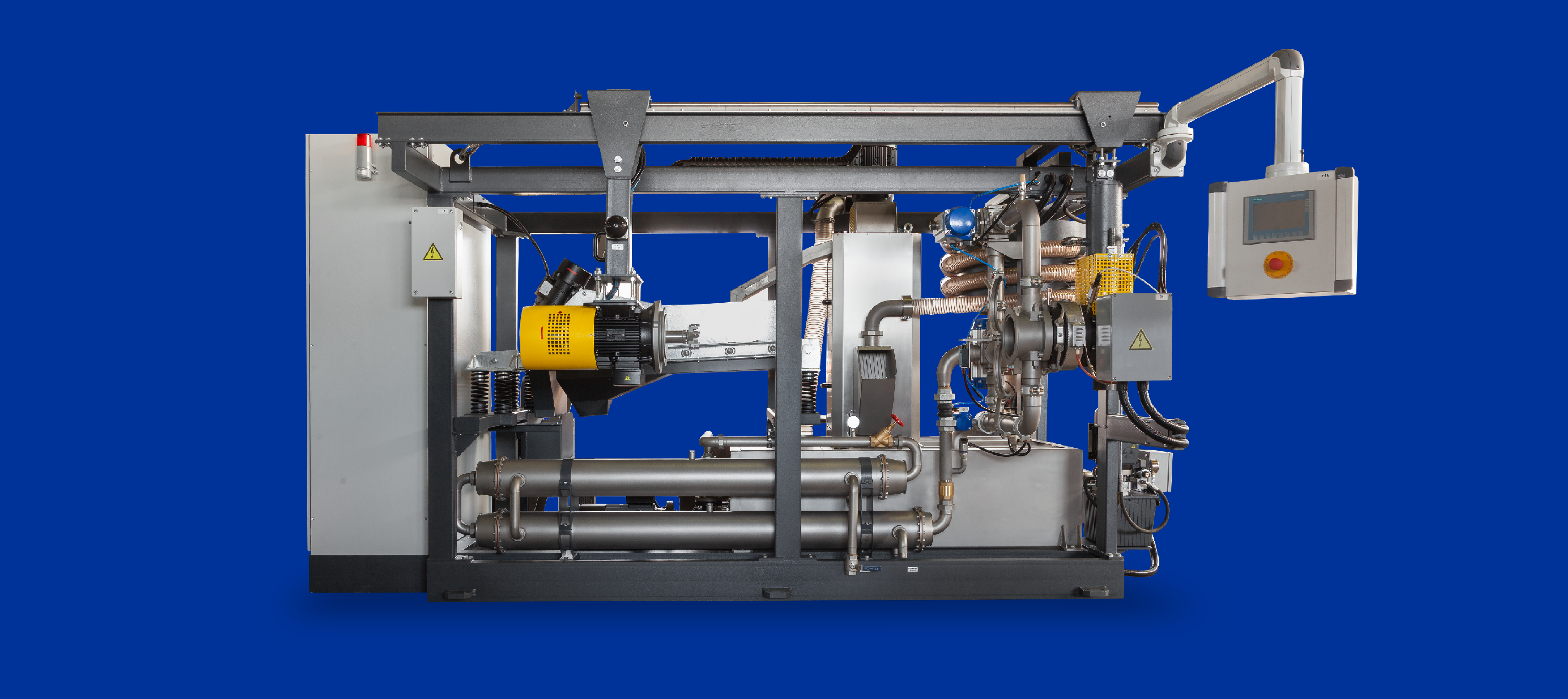
Underwater Pelletizing from SIKOPLAST
A solution for plastics where precise pellet shape and clean cutting quality are essential.
Underwater pelletizing is especially suitable for engineering polymers and compounds that require a defined pellet structure. In this process, the melt is cut directly under water, creating highly uniform pellets that can be accurately dosed and reliably processed in downstream applications.
SIKOPLAST supplies systems that can be adapted to a wide range of material requirements. The system configuration is based on your extruder, the desired throughput, and the required pellet quality. The system operates reliably in continuous production and can be integrated into existing lines without major modifications.
Operating Principle & Technical Process
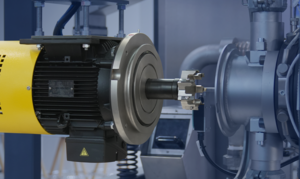
In underwater pelletizing, the plastic melt exits through a heated die plate. Immediately afterward, a rotating knife assembly cuts the strands directly under water. The cutting zone is completely submerged, allowing the process water to instantly cool and transport the pellets away from the system.
During the underwater pelletizing process (UWG), the molten plastic is pushed through a heated die plate and immediately cut by a rotating knife head. The entire cutting operation takes place inside a water-filled cutting chamber. The process water instantly cools the pellets while simultaneously transporting them out of the system.
The pellets are then degassed, mechanically dewatered, and processed through a vibrating screen that reliably separates agglomerates. An optional blower or drying system transfers the material into silos or directly into bags.
Afterward, the pellets are mechanically dried, for example by a centrifugal dryer, while a vibration screen removes any remaining agglomerates or oversized particles. Finally, the material is pneumatically conveyed into silos or directly into packaging systems.
All individual process stages together create an extremely homogeneous pellet structure.
Process Overview
- The melt passes through the die plate into the cutting zone
- Rotating knives cut the pellets under water
- The water flow transports the granulate further through the system
- Dewatering prepares the material for drying
- A centrifuge dries the pellets into a storage-ready condition
- A classification screen reliably separates agglomerates and oversized material from the usable pellets
Advantages of an Underwater Pelletizing System from SIKOPLAST

A SIKOPLAST underwater pelletizing system is designed to reliably process plastics with demanding quality requirements into high-grade pellets. The process produces highly uniform pellet geometry, allowing the material to be dosed accurately and processed consistently in downstream applications. The systems can be adjusted for different polymers and maintain stable process conditions even during long production runs.
SIKOPLAST focuses on practical day-to-day operation. Operators benefit from a clearly structured control system, and all central components are easily accessible. Spare parts remain available over the long term, ensuring planning reliability and predictable operating costs.
Key Advantages at a Glance

Defined pellet geometry for engineering polymers and compounds
Quiet underwater cutting process with minimal dust generation
Stable process conditions during extended production runs
Easy integration into existing extrusion lines
Easily accessible components for fast maintenance
System design optimized for the requirements of engineering plastics
The quiet underwater cutting process also enables nearly dust-free pelletizing, since the cutting interface remains submerged during operation.
These characteristics make the system particularly suitable for companies that require precise pellet quality and value a reliable and economically efficient production solution.
FAQ
Is the process suitable for all plastics?
The system is especially suitable for engineering polymers and compounds such as TPE, TPU, EVA, PA, PET, EPS, and XPS. For materials with highly fluctuating quality characteristics, a different pelletizing technology may be more suitable.
What are typical throughput capacities?
Throughput depends on the extruder configuration. Each system is individually adapted to the existing production line and can achieve capacities of up to approximately 2 t/h.
Can an existing production line continue to be used?
Yes. The systems can be integrated into many existing extrusion lines.
Is cleaning and maintenance complex?
No. The system components are easily accessible, allowing maintenance and cleaning work to be carried out without extended downtime.