
 en
en
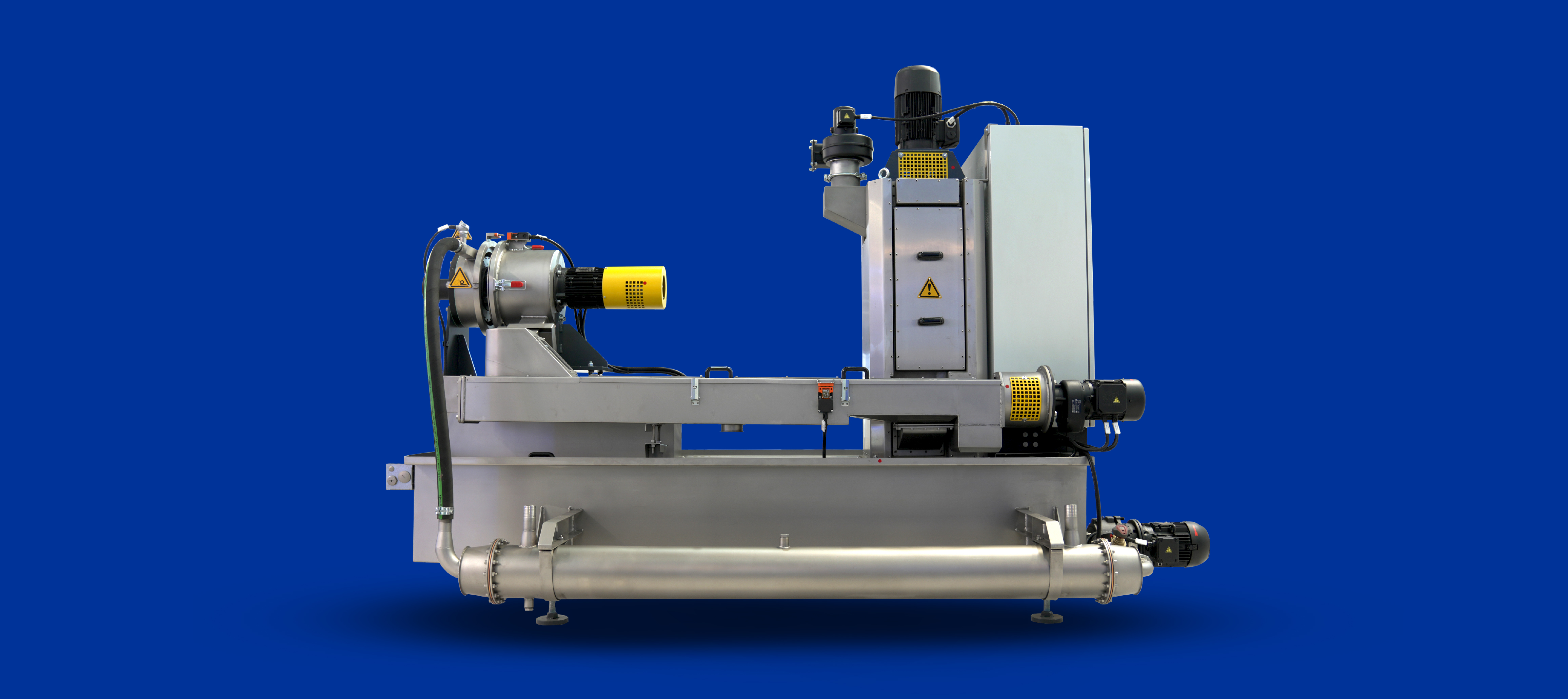
Water Ring Pelletizing from SIKOPLAST
A compact pelletizing system for materials that require flexible processing.
Water ring pelletizing is primarily used in plastics recycling because it operates reliably even when material properties fluctuate. The process is especially suitable for PE, PP, and HDPE regranulates, as well as plastics whose melt behavior is not always consistent.
SIKOPLAST develops systems that can be precisely adapted to your extruder and integrated into existing production environments without major modifications. The system design focuses on smooth and stable operation while safely compensating for typical fluctuations commonly found in recycling processes.
Operating Principle & Technical Process
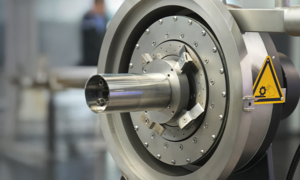
During water ring pelletizing, the plastic melt exits through a heated die plate. A rotating knife cuts the molten strands into pellets. Immediately afterward, the pellets are captured, cooled, and transported further by a circulating water ring.
After cooling, the pellets undergo a dewatering process. Subsequent drying in a centrifuge brings the material into a condition suitable for direct conveying, packaging, or further processing.
Process Overview
- The melt passes through the die plate
- Rotating knives cut the melt into pellets
- The tangentially rotating water ring captures and cools the pellets
- Dewatering prepares the material for drying
- A centrifuge dries the pellets and produces a conveyable granulate
Advantages of a SIKOPLAST Water Ring Pelletizing System
A SIKOPLAST water ring pelletizing system is particularly suitable for applications involving fluctuating material properties or recycled materials. The process responds robustly to varying melt characteristics and produces pellets that can be easily conveyed, blended, and further processed.
The systems are designed for practical day-to-day operation, allowing operators to intervene quickly when necessary. All important components remain easily accessible. In addition, spare parts are available over the long term, ensuring predictable operating costs and extending the service life of the system.
Key Advantages at a Glance

Excellent process stability with fluctuating melt properties
Low operating effort in daily production
Easy integration into existing recycling or extrusion lines
Low operating effort in daily production
Ideal for PE, PP, HDPE regranulates, and many standard polymers
These characteristics make the water ring pelletizing process a widely used solution in recycling lines and wherever a robust and economical pelletizing process is required.
FAQ About Water Ring Pelletizing
Which materials are suitable for this process?
The process is suitable for PE, PP, HDPE regranulates, and many other standard polymers. Materials with fluctuating melt conditions can also be processed reliably.
What throughput capacities are possible?
Throughput depends on the extruder being used. Each system is individually designed and can achieve capacities ranging from approximately 30 to 1,300 kg/h.
Is the process maintenance-intensive?
No. The machine components are easily accessible, and wear parts can be replaced quickly.
Can the system be integrated into existing production lines?
Yes. The system can be connected to existing extruders, filters, conveying systems, and cooling equipment.